
THE SUBOCCIPITAL AREA
What Happens During a Car Accident
In a collision, the head often moves faster than the body, creating a whiplash motion.
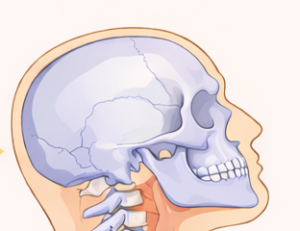 The sequence typically looks like:
Rapid extension (head thrown backward)
Rapid flexion (head thrown forward)
Protective muscle contraction
This sudden motion can irritate structures at the cranio-cervical junction, particularly:
• the suboccipital muscles
• C1 (atlas) and C2 (axis) joints
• the greater occipital nerve
• the cranial dura and myodural bridge
Even minor accidents can affect this region because the suboccipital muscles are small but neurologically dense.
Why the Headache Starts at the Base of the Skull
The suboccipital region is a neurological hub. After trauma, several things can occur:
1. Muscle Guarding
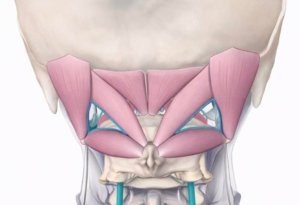
The body protects injured joints by tightening muscles.
Suboccipital muscles may stay chronically contracted, creating trigger points that refer pain into the head.
2. Upper Cervical Joint Dysfunction
Whiplash can temporarily disrupt motion in C1 or C2.
These joints are highly connected to head pain pathways, making them common sources of cervicogenic headaches.
 3. Occipital Nerve Irritation
 3. Occipital Nerve Irritation
The greater occipital nerve passes through this area. Inflammation or muscle tension can irritate the nerve and create:
• base-of-skull pain
• pain radiating up the scalp
• tenderness when touching the area
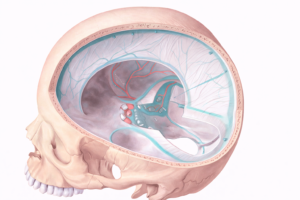
4. Dural Tension
The suboccipital muscles attach to the dura via the myodural bridge. Trauma may create tension that affects:
• cranial membranes
• cerebrospinal fluid dynamics
• cranial nerve signaling
This is why headaches may feel deep and persistent, rather than just muscular.
What would Dr. Mary do?
Treatment usually aims to restore mobility, circulation, and nervous system regulation in the upper neck.
Common approaches include:
• gentle upper cervical adjustments
• trigger point therapy
• massage therapy
• craniosacral therapy
• physical therapy exercises
• postural rehabilitation
Because this region affects proprioception and nervous system balance, gentle therapies often work better than aggressive manipulation early on.
DID YOU KNOW?!!
The suboccipital region contains one of the highest densities of proprioceptors in the body. After whiplash, distorted signals from these muscles can confuse the brain’s sense of head position, contributing to headaches, dizziness, and autonomic nervous system dysregulation.
This is one reason why craniosacral work at the occiput and atlas often helps calm post-traumatic headaches.